

Top 10 Tax Saving Tips for Salaried Employees Under New Regime
Essential Aspects of Tax
The New Tax Regime has become the default income tax system for individual taxpayers in India. Many salaried employees are now trying to understand how to reduce their tax liability while taking advantage of the lower tax rates offered under this regime. This process directly involves Tax Compliance. This process directly involves Tax Compliance. This process directly involves Tax Compliance. This process directly involves Tax Compliance.
A common misconception is that there are no tax-saving opportunities under the new tax regime. While many traditional deductions are unavailable, there are still several legal and effective ways to save tax.
In this EasyTax guide, we will explain the best tax saving tips for salaried employees under the new tax regime, compare it with the old regime, discuss available deductions. And share practical tax planning strategies for FY 2025-26.
What is the New Tax Regime?
The New Tax Regime is an alternative income tax system introduced by the Government of India to simplify taxation and reduce dependency on exemptions and deductions.
Instead of claiming multiple deductions such as Section 80C, HRA, and LTA, taxpayers can opt for lower tax rates across various income slabs. The objective is to make tax filing simpler and more transparent.
Essential Aspects of Tax Compliance
Key Features of the New Tax Regime
- Lower tax rates
- Simplified tax structure
- Reduced paperwork
- Fewer exemptions and deductions
- Default tax regime for individuals
Difference Between Old and New Tax Regime
Before choosing a tax regime, salaried employees should understand the key differences. You can read our detailed comparison on New Tax Regime vs Old Tax Regime.
| Particulars | Old Tax Regime | New Tax Regime |
|---|---|---|
| Tax Rates | Higher | Lower |
| Section 80C Benefit | Available | Not Available |
| HRA Exemption | Available | Not Available |
| LTA Exemption | Available | Not Available |
| Standard Deduction | Available | Available |
| Tax Filing Complexity | Higher | Lower |
| Investment Requirement | High | Low |
The right choice depends on your salary structure, deductions. And financial goals.
Who Should Choose the New Tax Regime?
The new tax regime is generally beneficial for:
- Young professionals
- Employees with limited deductions
- First-time taxpayers
- Individuals preferring simple tax filing
- Employees without major investments under Section 80C
- Salaried individuals with flexible compensation structures
However, every taxpayer should calculate tax liability under both regimes before making a decision.
Top 10 Tax Saving Tips for Salaried Employees Under New Tax Regime
Although deduction options are limited, several tax-saving opportunities still exist.
1. Claim Standard Deduction
The standard deduction remains available under the new tax regime. Eligible salaried employees can reduce taxable income without maintaining investment proof or expense records. This deduction automatically lowers taxable salary income.
2. Maximize Employer Contribution to NPS
Employer contributions to the National Pension System (NPS) continue to enjoy tax benefits. Contributions made by employers within prescribed limits can reduce taxable income. This is one of the most effective tax-saving tools available under the new tax regime.
3. Utilize Tax-Free Employer Benefits
Many employer-provided benefits remain tax-efficient. Examples include company-provided laptops, office equipment, telephone reimbursement, internet reimbursement for official work. And training expenses. Review your salary structure to identify eligible benefits.
Essential Aspects of Tax Compliance
4. Opt for Tax-Efficient Salary Components
A properly structured salary package can significantly reduce tax liability. Consider components such as meal allowances through approved systems, company transportation facilities, professional development support. And employee welfare benefits. Discuss salary restructuring options with your employer.
5. Use Employer-Sponsored Insurance Benefits
Employer-paid health insurance premiums generally provide financial protection without creating additional tax burden for employees. Such benefits improve overall compensation value.
6. Take Advantage of EPF Contributions
Employee Provident Fund (EPF) remains an important long-term wealth-building tool. Although traditional deduction benefits may not apply under the new regime, EPF helps create retirement savings while maintaining financial discipline.
7. Increase Retirement Planning Through NPS
Retirement planning should not be ignored simply because certain deductions are unavailable. NPS offers long-term wealth creation, retirement security, potential employer contribution benefits, and diversified investment exposure.
8. Choose Tax-Efficient Investments
Many taxpayers focus only on deductions instead of overall financial growth. Consider investments aligned with risk tolerance, retirement goals, emergency planning, and wealth creation objectives. A strong financial plan can often provide greater benefits than short-term tax savings.
9. Review Tax Regime Every Financial Year
Taxpayers should reassess their tax situation annually. Changes in salary, investments, family status. And employer benefits may affect. This regime is more beneficial. Annual review prevents unnecessary tax payments.
10. Maintain Proper Tax Planning Throughout the Year
Last-minute tax planning often leads to mistakes. Instead, review salary slips regularly, track taxable income, monitor employer benefits, evaluate retirement contributions. And consult tax professionals when necessary. Continuous planning delivers better tax outcomes.
Essential Aspects of Tax Compliance
Standard Deduction Under New Regime
The standard deduction remains one of the most valuable benefits available to salaried employees. Benefits include automatic tax relief, no documentation requirement, reduced taxable income, and simpler compliance. Every eligible salaried employee should ensure the deduction is properly reflected in Form 16. Need help analyzing it? Check our Form 16 Filing Service.
Employer Benefits and Tax-Free Perks
Many employees overlook tax-efficient benefits available through employers.
| Common Employer Benefits | Potential Tax Efficiency |
|---|---|
| Office Laptop | Generally tax efficient |
| Internet Reimbursement | Official use benefits |
| Telephone Reimbursement | Official use benefits |
| Training Programs | Employer-supported |
| Health Insurance | Valuable employee benefit |
Understanding these benefits can improve overall compensation without increasing tax liability.
NPS Tax Benefits Under New Tax Regime
The National Pension System remains one of the strongest tax planning tools available. It provides retirement corpus creation, professional fund management, long-term compounding, employer contribution advantages. And financial security after retirement. Employees should discuss NPS options with HR departments.
Smart Salary Restructuring Tips
A well-designed salary package can increase take-home income while remaining fully compliant.
- Evaluate employer-provided benefits
- Increase NPS participation
- Review insurance coverage
- Utilize professional development benefits
- Optimize compensation components
Always ensure restructuring complies with company policy and tax regulations.
Tax Saving Investments for Salaried Employees
Even when deductions are unavailable, investments remain essential.
- Emergency Fund: Build at least six months of expenses.
- Mutual Funds: Useful for long-term wealth creation.
- NPS: Supports retirement planning.
- EPF: Provides disciplined retirement savings.
- Health Insurance: Protects against medical emergencies.
Tax planning should never replace financial planning.
Common Tax Mistakes to Avoid
Many salaried employees pay more tax because of avoidable mistakes.
Essential Aspects of Tax Compliance
- Mistake 1: Choosing a Regime Without Comparison - Always calculate tax under both regimes.
- Mistake 2: Ignoring Employer Benefits - Tax-efficient benefits can significantly improve compensation.
- Mistake 3: Delaying Tax Planning - Waiting until March often reduces available options.
- Mistake 4: Focusing Only on Tax Savings - Financial goals should remain the primary objective.
- Mistake 5: Not Reviewing Form 16 - Errors in salary records can affect tax filing accuracy.
Tax Planning Tips for FY 2025-26
As income tax regulations continue evolving, employees should adopt proactive tax planning habits.
FY 2025-26 Tax Planning Checklist
- Review salary structure
- Verify standard deduction eligibility
- Consider employer NPS contributions
- Monitor taxable income
- Maintain financial records
- Compare tax regimes annually
- Build retirement savings
- Consult tax professionals if required
Expert Tax Saving Advice
The biggest mistake salaried employees make is assuming that tax planning only means claiming deductions. Modern tax planning focuses on efficient salary structuring, long-term investing, retirement planning, risk management. And compliance.
The best strategy is to combine tax efficiency with financial growth.
Latest Income Tax Updates
Recent tax reforms continue to encourage adoption of the new tax regime. Important trends include simplified tax filing via the e-Filing Portal, increased focus on digital compliance, wider adoption of the new regime, greater emphasis on retirement planning. And continued tax benefits through employer-supported NPS contributions. Taxpayers should regularly monitor updates issued by the CBDT.
Essential Aspects of Tax Compliance
People Also Ask
How can salaried employees save tax under the new tax regime?
Is NPS beneficial under the new tax regime?
Is the new tax regime better than the old regime?
What is the best tax saving option for salaried employees?
Conclusion
Understanding the Tax Saving Tips for Salaried Employees Under New Tax Regime is essential for maximizing take-home income and achieving long-term financial goals. While the new tax regime offers fewer deductions than the old system, it still provides several opportunities to reduce tax liability through standard deduction, employer NPS contributions, tax-efficient salary structures. And strategic financial planning.
The key is to focus on both tax efficiency and wealth creation rather than chasing deductions alone. Regular review of salary structures, retirement planning. And annual tax comparisons can help salaried employees make smarter financial decisions.
Simplify Your Tax Planning with EasyTax
Need help choosing between the old and new tax regime? Looking for personalized tax planning guidance or income tax filing assistance?
EasyTax helps salaried employees optimize taxes, compare tax regimes, plan investments. And file accurate income tax returns with confidence.
For more detailed assistance, explore our professional tax services or check official updates on the Income Tax Department website.
EasyTax • Jaipur
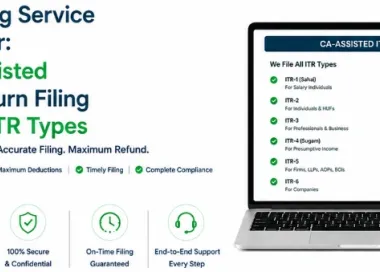
Expert Assisted ITR Filing
Dedicated CA prepares, verifies, and files your ITR. Maximum refund, accurate deductions, zero notices.